Interactive programme combines psychological engagement, culinary education and hands-on Korean food culture
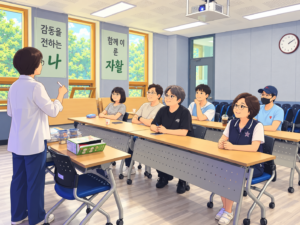
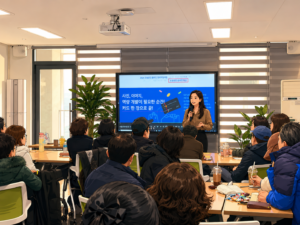
SOUTH KOREA — Professor Baek Hang-sun, a specialist instructor with K-MIRACLE, President of the World Food Therapy Association and a recognised Korean Master Chef, conducted a K-Food Therapy experience programme for young Mongolian students studying in Korea.
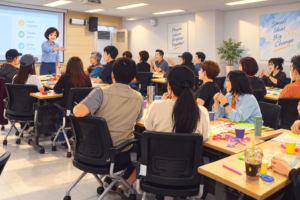
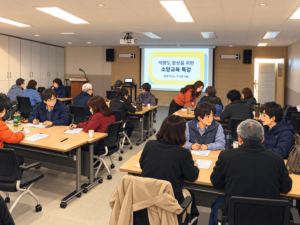
The programme was designed to introduce participants to Korean food culture through an educational format combining psychological engagement with hands-on culinary activities. Rather than presenting K-Food solely as a cooking experience, the session demonstrated how food-based programmes can support communication, self-expression, emotional connection and intercultural understanding.
Integrating Psychological Insight with K-Food Education
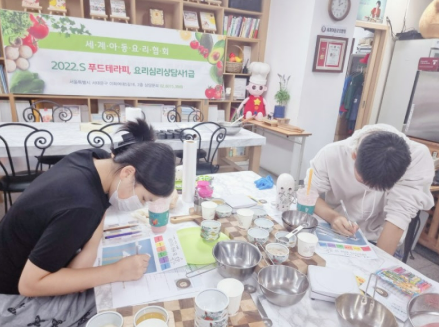
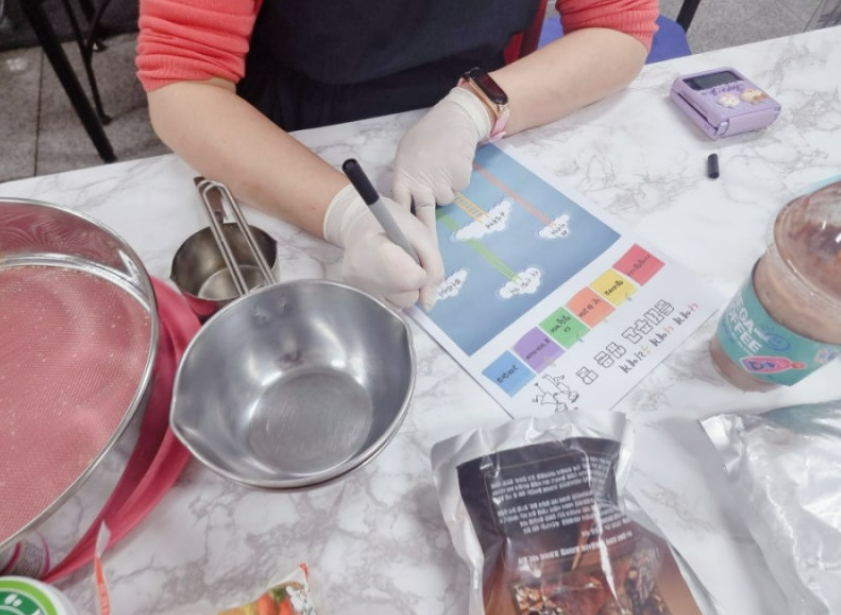
The programme began with a psychological assessment activity based on geometric shape counselling techniques.
Participants used visual forms and personal responses to explore individual tendencies, emotional characteristics and patterns of expression. The activity provided an accessible introduction to self-reflection and encouraged participants to engage more openly before beginning the culinary workshop.
By combining psychological activities with food preparation, the programme presented cooking not only as a practical skill, but also as a medium for creativity, communication and emotional interaction.
Hands-On Panda Choco Pie Workshop
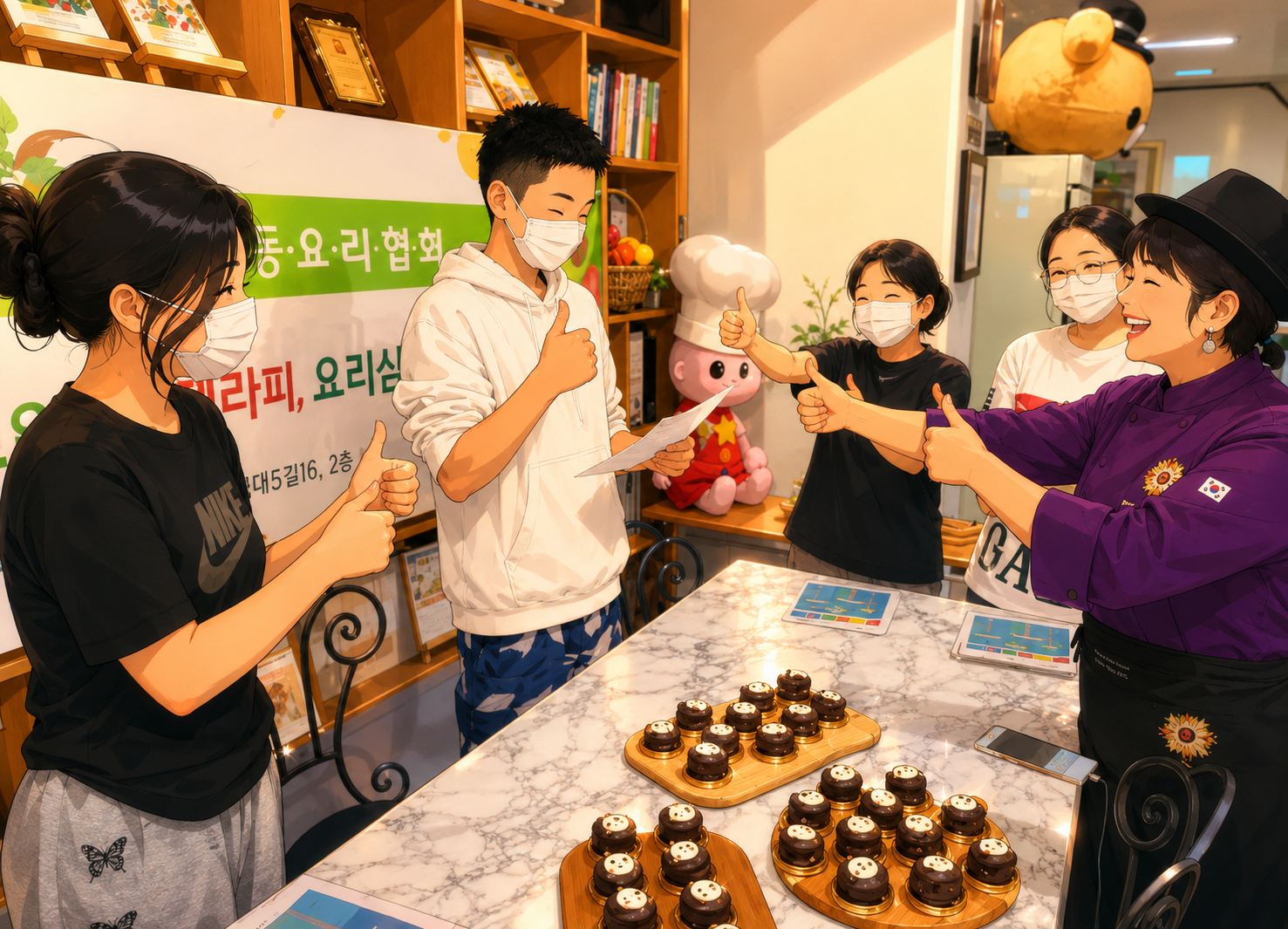
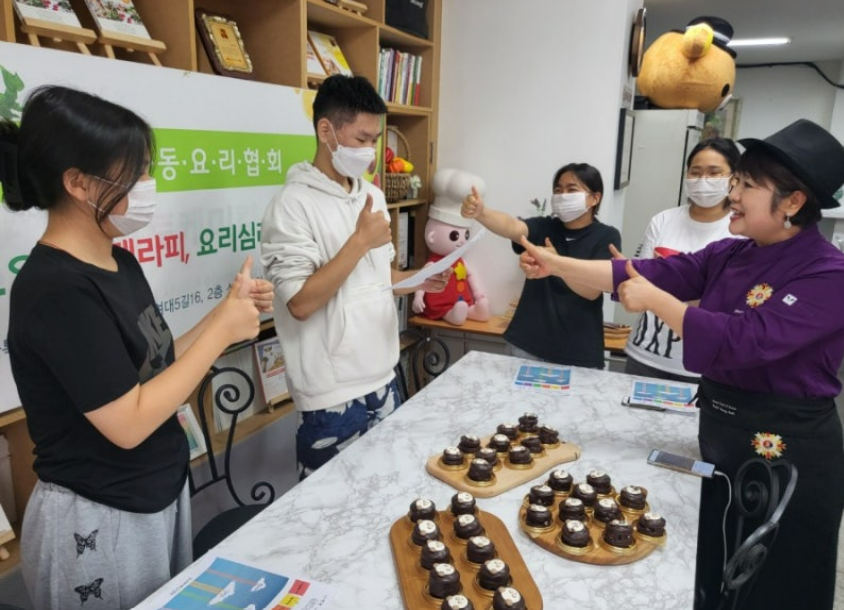
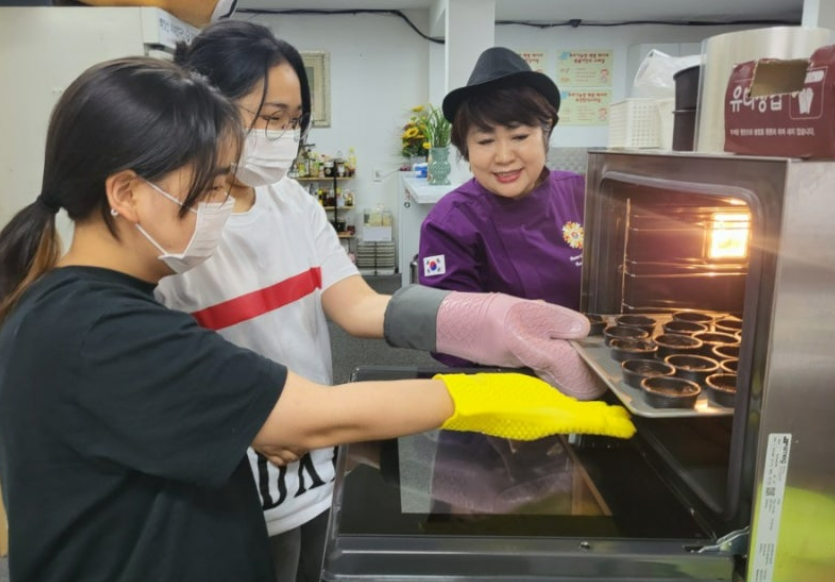
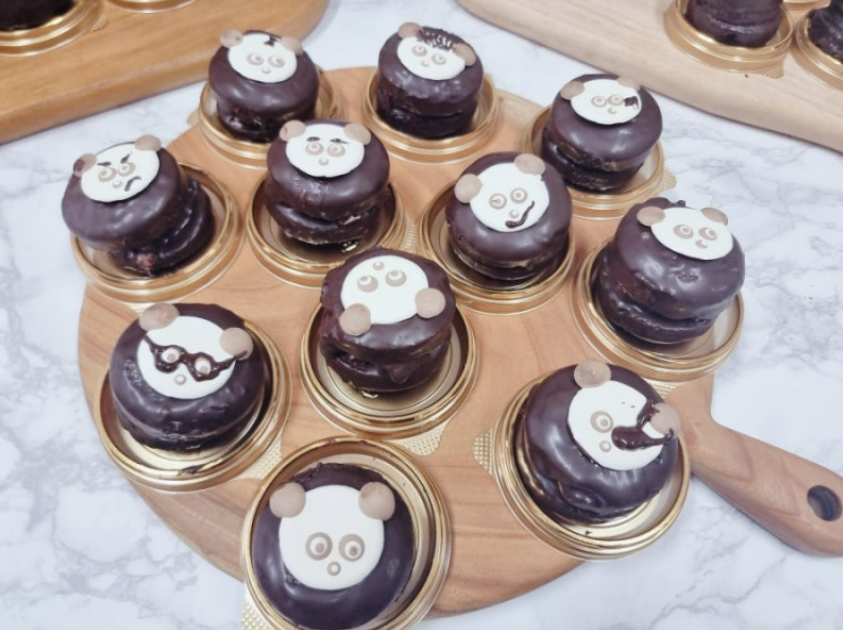
Following the psychological activity, participants took part in a practical workshop to create panda-shaped chocolate pies using domestically produced Korean rice flour and handmade marshmallows.
The students experienced the entire preparation process, including ingredient measurement, dough mixing, shaping, assembly and final presentation. Each stage was structured to help participants understand fundamental culinary procedures while encouraging creativity and active involvement.
Despite encountering several cooking techniques for the first time, the participants followed the instructions enthusiastically and completed their individual creations.
The classroom remained lively throughout the workshop as students compared their panda choco pies, shared their completed products and expressed pride in the results of their work.
Food as a Medium for Achievement and Cultural Exchange
The programme offered participants an opportunity to experience Korean food culture through direct participation rather than passive observation.
Completing the full cooking process gave the students a tangible sense of achievement, while the collaborative environment encouraged communication and interaction among participants. The visually distinctive panda design also increased the accessibility and appeal of the programme for younger learners.
The session demonstrated how food education can provide a meaningful foundation for cultural exchange by connecting culinary practice with creativity, storytelling and emotional engagement.
Expanding K-Food Therapy Content Internationally
Professor Baek continues to research and operate educational programmes that combine Korean food with therapeutic, psychological and experiential approaches.
The panda choco pie featured during the session is currently being prepared for export to China as part of a children’s culinary education programme.
The initiative reflects a broader effort to develop Korean food-based educational content that can be adapted for different age groups, learning environments and international markets.
Through these programmes, Professor Baek is introducing K-Food beyond conventional restaurant and consumer product categories, positioning Korean cuisine as a platform for education, cultural exchange and personal development.
Advancing the Global Value of Korean Food Culture
Professor Baek has continued introducing K-Food content to participants from a range of countries, contributing to the wider international recognition of Korean culinary culture.
Her programmes combine professional culinary knowledge with educational methodologies designed to make Korean food more accessible, engaging and culturally adaptable for international audiences.
K-MIRACLE also supports initiatives that connect professional education with practical experience, cultural exchange and global collaboration.
Through cooperation with experienced instructors, educational institutions and industry specialists, the organisation aims to develop programmes that present Korean culture through structured and meaningful experiences.
Professor Baek plans to further expand K-Food Therapy programmes for participants in additional countries, creating new opportunities for international education and cultural cooperation.
By integrating Korean culinary traditions, psychological engagement and experiential learning, these initiatives seek to broaden the global value of K-Food while establishing new pathways for educational content development and international exchange.
About K-MIRACLE
K-MIRACLE is a Korea-based global life-care platform that develops programmes spanning education, industry experience, ESG business development and international collaboration.
The organisation works with public institutions, professional associations, educational organisations, businesses and community partners to create structured pathways for talent development, entrepreneurship, sustainable business growth and global expansion.
Its initiatives are designed to connect practical education with real-world opportunities across environmental, social, commercial and international fields.
Media Contact
K-MIRACLE Communications
Email: k-miracle@k-miracle.net
Website: https://k-miracle.net
Media Network: https://kmiraclemedia.net