Transforming Living Environments:
When Helping Hands Bring a Home Back to Life
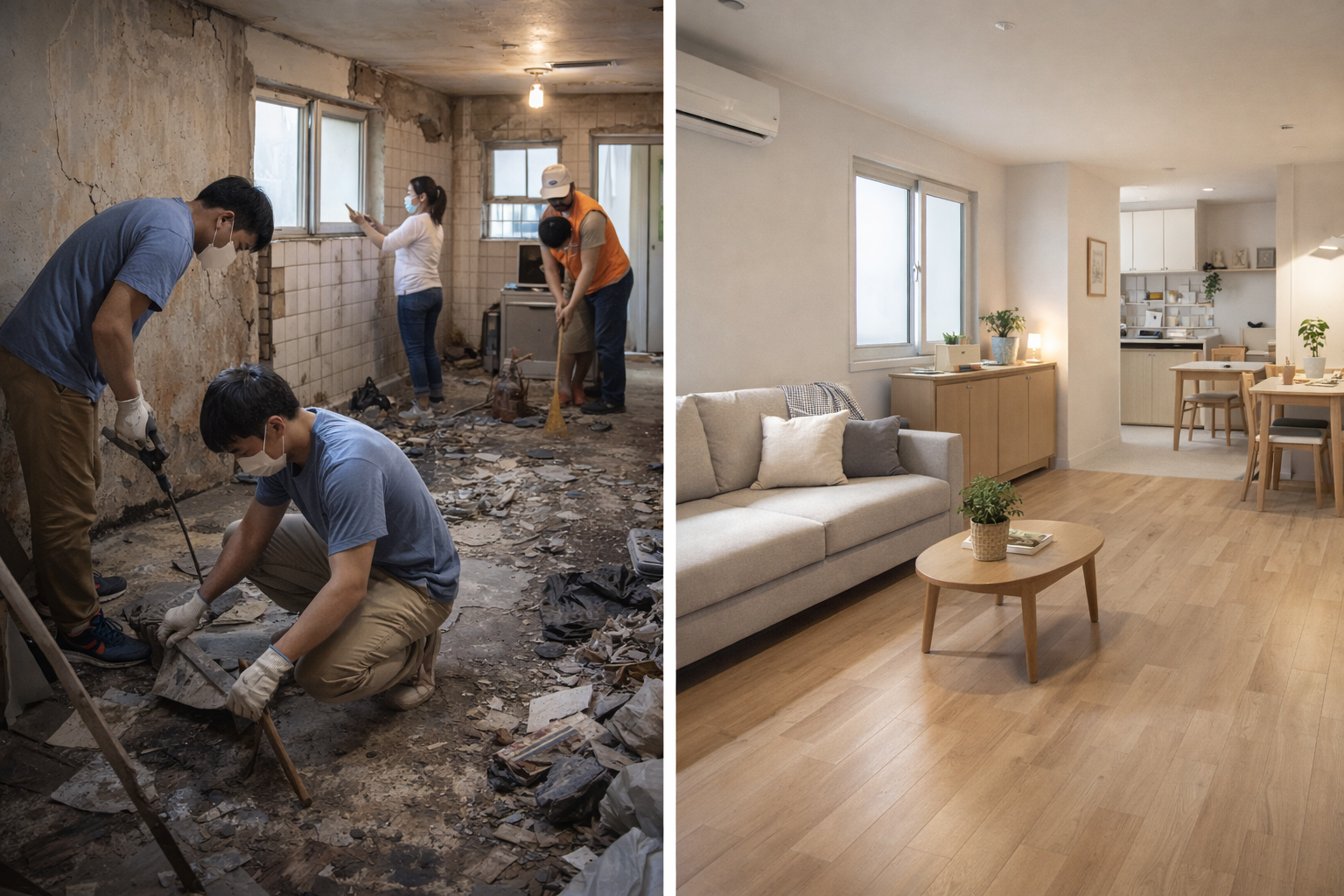
A home can deteriorate quietly. But when neighbors, volunteers and skilled professionals work together, physical repair can become the beginning of safety, dignity and a renewed everyday life.
Sometimes a home does not need to be replaced. It needs people who are willing to see what can still be restored.
Homes rarely lose their function all at once. A damaged surface remains unfinished. A broken fixture becomes part of the daily routine. Storage grows around areas that can no longer be used comfortably. Repairs are postponed because time, money or physical capacity must be directed elsewhere.
Over time, the household begins adapting to the difficulty rather than the environment adapting to the people. This is where community-based housing support can become meaningful. A group of helping hands can accomplish more than repair work. It can return a home to the people living inside it.
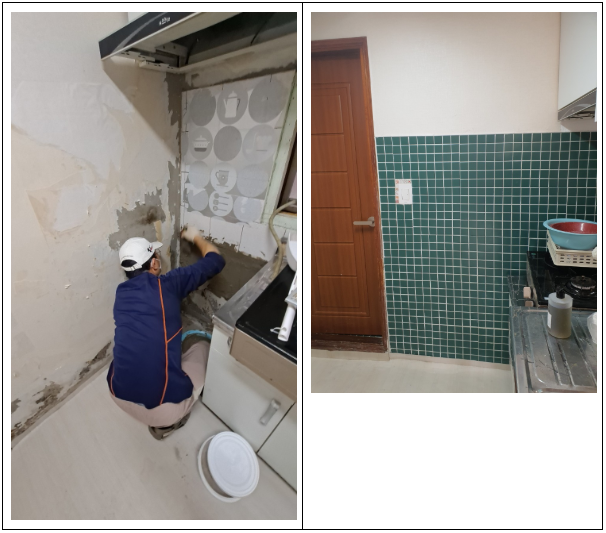
A struggling home often contains problems its residents have become accustomed to living around.
A narrow pathway may require the same careful movement every day. A damaged wall may affect temperature, cleanliness or comfort. An unusable corner may slowly fill with belongings because the space no longer has a practical role.
These conditions can become so familiar that they stop appearing temporary. They simply become the way the household functions. Yet each small obstacle consumes attention, effort and energy.
A thoughtful restoration project begins by noticing these accumulated difficulties. Before tools are brought in, the household’s routines, priorities and immediate safety needs must be understood.
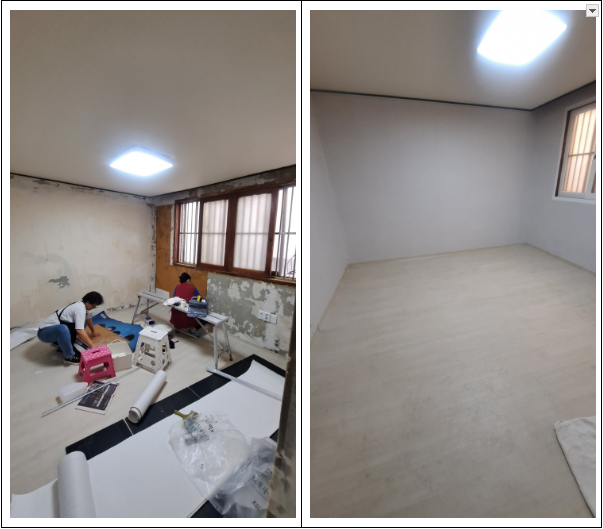
Bringing a home back to life requires both skilled work and thoughtful coordination.
Successful housing support connects the residents’ actual needs with the right people, materials and field decisions. The process is most effective when every improvement has a clear purpose.
Listen Before Repairing
Understand the household’s routines, priorities and concerns before deciding what should be changed first.
Restore Safety
Address damaged or difficult areas that directly affect movement, hygiene, comfort and everyday security.
Recover Function
Return purpose to rooms, pathways, storage areas and household zones that have become difficult to use.
Build Lasting Support
Complete the project with practical organization and a structure the residents can realistically continue to maintain.
“Helping hands do more than repair a room. They remind people that their everyday life is worth restoring.”
Community repair becomes powerful when every contribution connects to a shared purpose.
Volunteers, professionals, institutions and local partners may enter the project with different skills. The home becomes the place where those contributions are transformed into one visible outcome.
Shared Human Attention
The project communicates that the residents and their daily environment have not been overlooked.
Practical Expertise
Skilled planning and field work ensure that limited time and resources create improvements that genuinely matter.
Stronger Community Trust
Working together transforms an individual housing problem into a shared example of local care and responsibility.
The deepest result of home restoration is often found in ordinary moments that become possible again.
A repaired room may allow a family to gather more comfortably. A clearer walkway may reduce anxiety. Improved storage may make cleaning less demanding. Restored surfaces and fixtures may return a sense of care to a space that had gradually become difficult to manage.
The finished project is visible in the walls, floors and furniture. Its lasting value, however, is experienced through daily routines: entering the room without hesitation, locating what is needed and feeling that the home is once again working with the household.
Community housing support should therefore be understood not simply as repair, but as a practical investment in safety, dignity and renewed daily life.
Safer Everyday Living
Repairs and clearer movement paths reduce avoidable obstacles and create a more secure residential environment.
Restored Dignity
A cared-for home helps residents experience their living space as a place worthy of comfort, attention and respect.
Renewed Daily Confidence
A functional and understandable environment makes household routines easier to begin, continue and maintain.
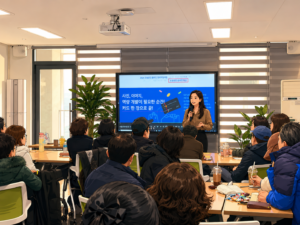
Sustainable space projects connect planning, people and practical field execution.
K-MIRACLE connects space planning, home improvement, organization, professional education and institutional collaboration to create environments that support real people and real daily needs.
Housing Improvement Planning
Residential needs analysis and practical planning for safer, cleaner and more functional living environments.
Field Project Coordination
Coordination of schedules, resources, specialists and on-site operating requirements.
Community Collaboration
Partnership development with institutions, enterprises, volunteer groups and regional organizations.
Organization & Space Care
Lifestyle-based organization and space management designed for long-term usability.
Professional Education
Field-centered programs for space planners, organizers and home improvement professionals.
Sustainable Project Systems
Structured operating models connecting improvement projects with training, employment and long-term community value.
Planning a residential improvement, community support or institutional space project?
For home improvement planning, community housing projects, space organization, professional education and institutional collaboration, contact K-MIRACLE.
K-MIRACLE Co., Ltd. · k-miracle@k-miracle.net