By K-MULBIT NEWS & HUB | Environmental & Design Desk
April 29, 2026 · 5 min read
Category: Opinion / Design / Lifestyle
Introduction
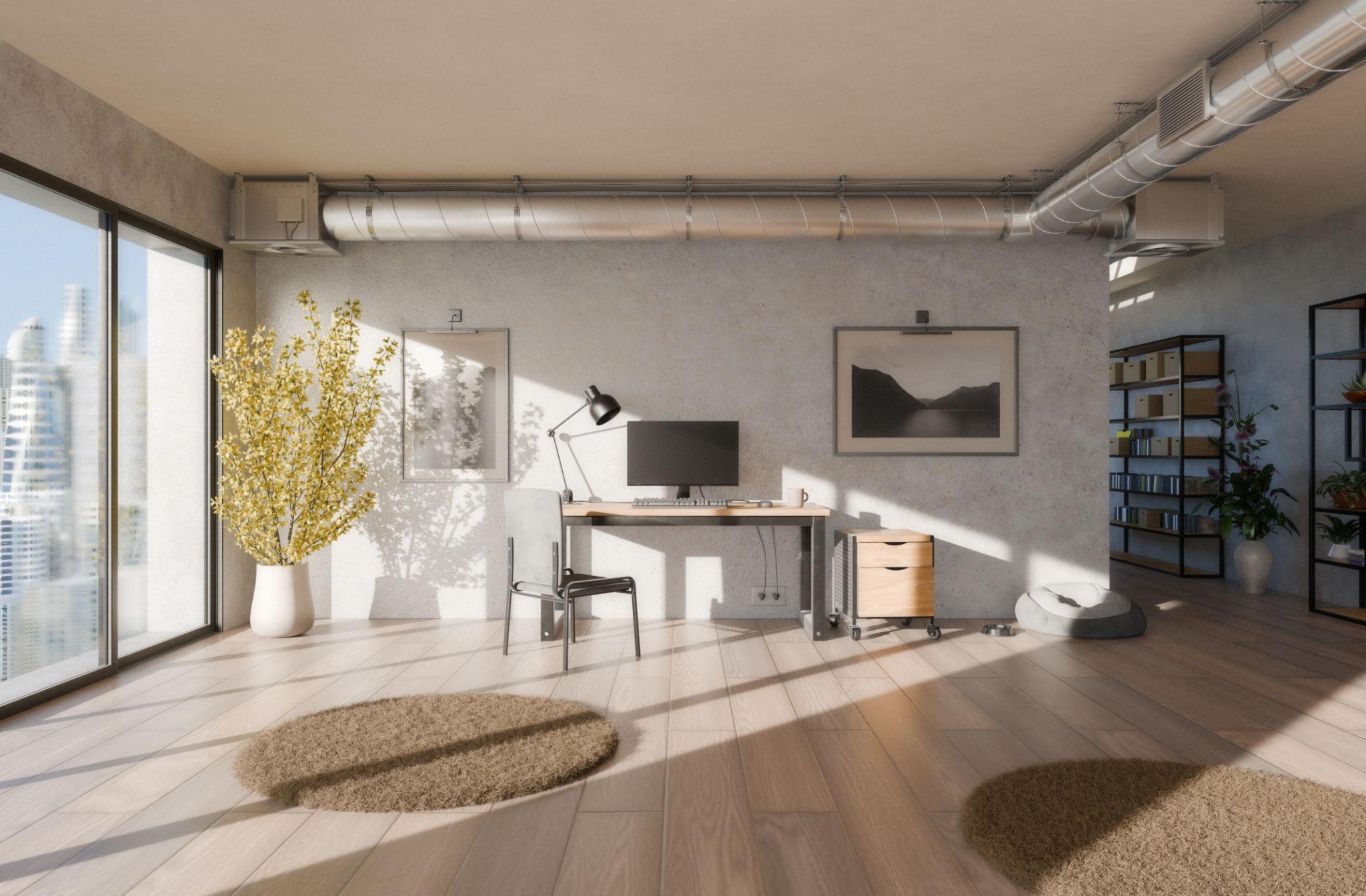
The role of space in shaping human experience is often underestimated. While commonly associated with interior design and visual appeal, the aesthetic quality of a space extends far beyond decoration. It has measurable effects on emotional well-being, productivity, and social interaction. Increasingly, what might be described as “spatial beauty” is being recognized as a functional and psychological asset rather than a luxury.
Design, Productivity, and Well-Being
Well-organized and visually balanced environments can reduce stress and improve cognitive performance. Research from the World Green Building Council shows that improved indoor environments, including lighting and air quality, are linked to higher productivity and better overall well-being.
Studies in environmental psychology, including findings from the Harvard T.H. Chan School of Public Health, indicate that poorly designed spaces can contribute to cognitive fatigue, while structured environments support focus and mental clarity.
As more people spend extended periods in home offices, study areas, and personal living spaces, the impact of spatial conditions on daily life has become more immediate and significant. In this context, spatial beauty is not simply about appearance—it is about how a space functions for its user.
K-MULBIT NEWS & HUB NEWS /Environmental & Design Desk
Core Elements of Spatial Beauty
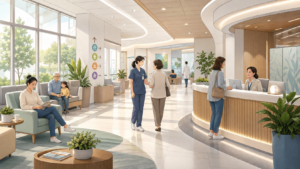
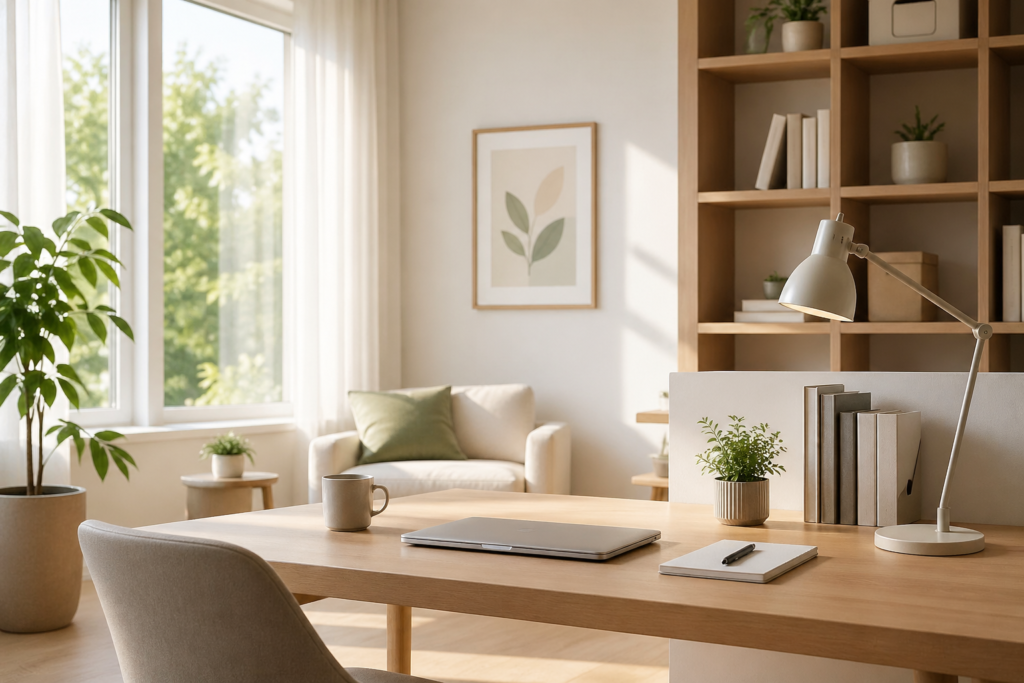
Spatial beauty is achieved through the integration of key elements such as organization, lighting, and user-centered design. Effective storage systems reduce visual and physical clutter, while thoughtful lighting—particularly access to natural light—can influence mood, alertness, and overall well-being.
Spaces that reflect individual preferences and routines tend to provide greater psychological comfort and usability. A design that aligns with how people live and work supports both efficiency and long-term well-being.
Sustainability and Material Awareness
The use of sustainable and health-conscious materials is gaining attention across design sectors. Principles promoted by the Ellen MacArthur Foundation emphasize extending material lifecycles and reducing environmental impact through circular design approaches.
This shift signals that spatial beauty is no longer limited to visual harmony—it now includes environmental responsibility and long-term sustainability.
A Question of Equity
The quality of space is not solely a personal concern. Access to clean, safe, and well-designed environments can influence educational outcomes, workplace performance, and overall quality of life. Differences in housing conditions, school infrastructure, and public space design often reflect broader social inequalities, a trend also highlighted in urban development research from the OECD.
As a result, spatial design is increasingly being discussed in policy and planning contexts. Investment in public spaces, schools, and residential environments is seen as a way to improve both living conditions and equal opportunity.
Conclusion
Spatial beauty should be understood as an essential component of modern living rather than a decorative luxury. It operates at the intersection of design, psychology, and social structure, shaping how individuals think, feel, and perform.
As urban environments and hybrid lifestyles continue to evolve, integrated approaches that balance functionality, aesthetics, and sustainability are likely to define the future of space design. In this sense, space is no longer just a backdrop—it is an active factor in determining the quality of human life.